
The Episcopal Catholic Institute stands as the official educational ministry of The Episcopal Catholic Church. The Institute is dedicated to nurturing seminarians with a rich and robust curriculum that delves deep into the venerable traditions of the faith. Our comprehensive program offers an immersive study of the Church's historical evolution, its contemporary challenges, societal impacts, and pastoral roles.
Our curriculum is meticulously crafted to ensure a balanced and thorough theological education, augmented by extensive spiritual guidance. Our aim is to cultivate well-rounded clergy equipped to meet the spiritual needs of their communities with resilience and wisdom.
For those drawn to a life of spiritual leadership and service, and for anyone seeking to deepen their understanding of Anglican - Catholic theology, this institute offers a path to profound personal and professional growth. To learn more about our program or to explore enrollment options, please contact us via email. We are here to assist you on your journey toward clerical excellence.
The Institute welcomes clergy and laity from other communions and denominations that wish to learn more about sacramental theology.
STAFF
The Venerable
M. Caleb Hayes

Administrator & Instructor
Archdeacon & Canon to the Ordinary
The Church of the Risen Christ
The Most Reverend
Justin L. Gates
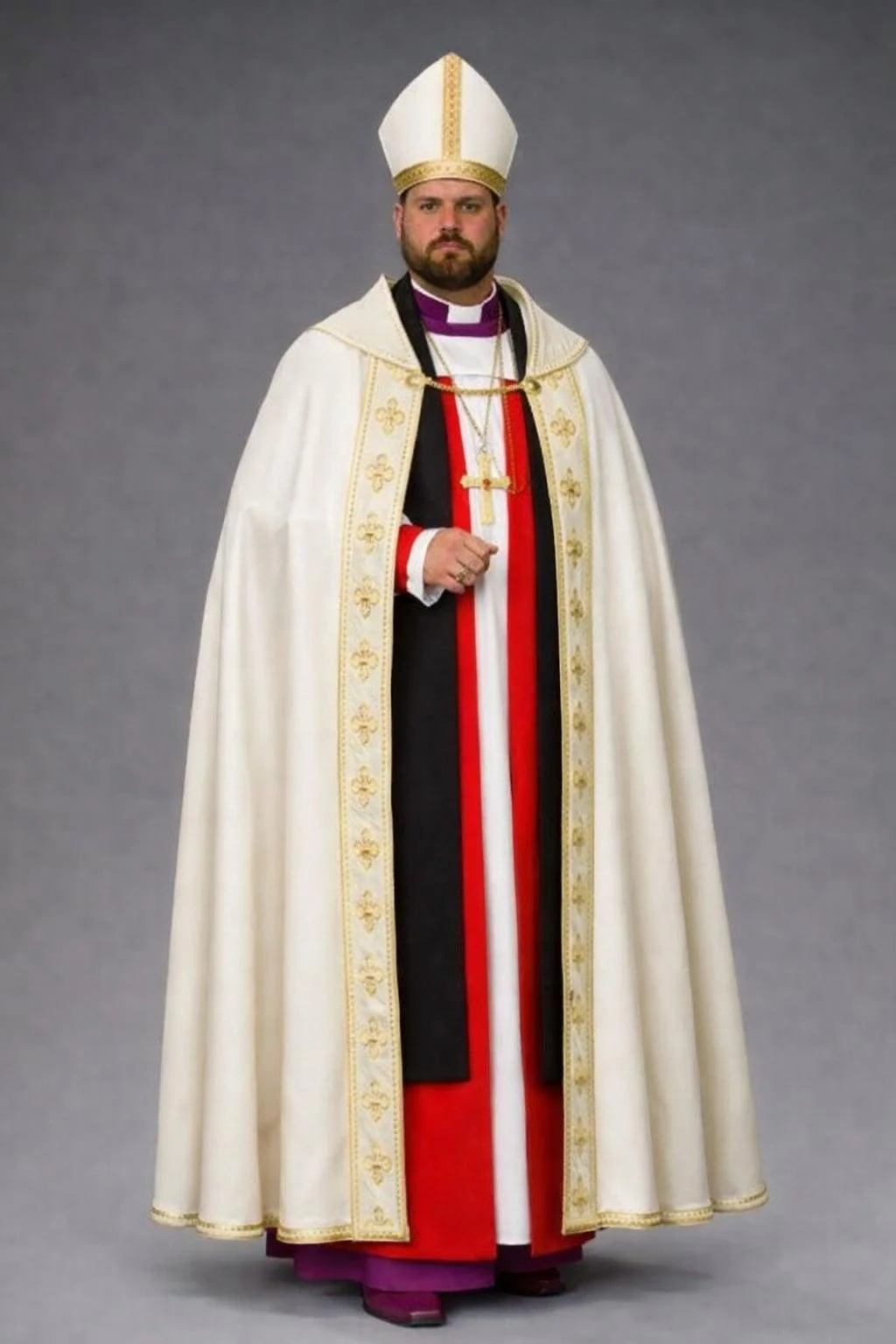
Chancellor
Presiding Bishop & Primate
The Church of the Risen Christ
The Most Reverend
Shane R.F. Hughes
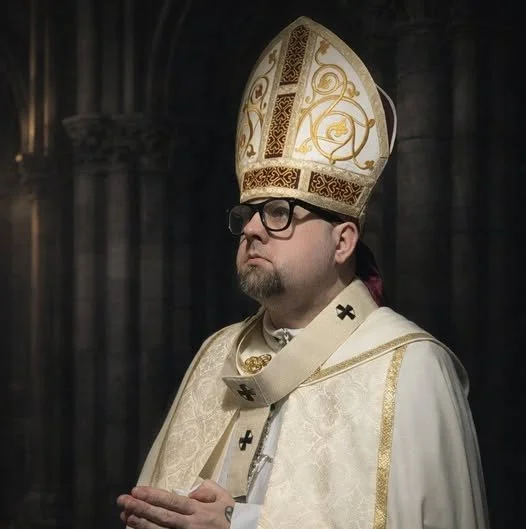
Instructor
Archbishop Primate
The Metropolitan Old Catholic
Church - UK
Courses Offered
-
For anyone wishing to study the Bible or beginning Christian ministry or theological study
-A Study of 39 Articles of Religion
-Hermeneutics
-Old Testament Survey
-New Testament Survey
-Survey of the Apocrypha
-A Survey of Church History -
Ideal for Lay Readers, acolytes, sacristans and worship leaders
-Morning & Evening Prayer
-Introduction to the Liturgy
-Sacramental Theology 1: Intro to Sacraments: Theology & Practice
-Sacramental Theology 2: Theology of the Mass
-Sacramental Theology 3: Liturgical Calendar & Seasons
-Serving at the Altar: Roles and Reverence -
Ideal for Deacons, chaplains and parish caregivers
-Theology of Pastoral Ministry
-Crisis & Grief Care (Last Rites, Funerals, Hospital Visits)
-Pastoral Approaches to Marriage
-Pastoral Approaches to Death & Dying
- Parish Administration
-Diaconal Ministry and Community Engagement -
Ideal for Priest
Structure Overview
Term I – Foundations of Episcopal Catholic Identity
Focus: History, theology, scripture, and spiritual foundations
Term II – Sacramental and Liturgical Theology
Focus: Sacraments, liturgy, ceremonial practice, and worship leadership
Term III – Pastoral Ministry and Applied Theology
Focus: Pastoral care, leadership, ethics, and ministry practice
Final Integration Period
Focus: Practical ministry integration and final assessments
TERM I – FOUNDATIONS OF EPISCOPAL CATHOLIC IDENTITY
Module 1: History of the Church (Essential Module)
Duration: 6 weeks
Topics:
Week 1: Origins of Catholic Christianity
• Early Church (1st–4th centuries)
• Apostolic succession
• Development of sacramental theologyWeek 2: Medieval and Post-Reformation Developments
• Western Catholicism
• Eastern Orthodoxy
• The Reformation and its impactWeek 3: The Old Catholic Movement
• Vatican I and papal infallibility
• Formation of Old Catholic Churches
• Utrecht successionWeek 4: Founding of the Episcopal Catholic Church
• Early development and visionWeek 5: Theology and Distinctives of the Episcopal Catholic Church
• Freedom of belief
• Sacramental emphasis
• Theosophical influence
• Inclusivity and opennessWeek 6: Modern Episcopal Catholic Church and Contemporary Mission
• Global presence
• Progressive ministry
• Role in modern spiritualityModule 2: Introduction to Scripture
Topics:
• Week 1: Structure of the Bible
• Week 2: Old Testament overview
• Week 3: New Testament overview
• Week 4: The Gospels
• Week 5: Symbolic and mystical interpretation
• Week 6: Episcopal Catholic approach to scriptureSkills Developed:
• Reading scripture devotionally and theologically
• Preaching preparationModule 3: Foundations of Theology
Topics:
• Week 1: What is theology?
• Week 2: Nature of God
• Week 3: The Trinity
• Week 4: Christology
• Week 5: The Holy Spirit
• Week 6: Human nature and divine imageModule 4: Spiritual Formation and Prayer
Topics:
• Week 1: Personal prayer disciplines
• Week 2: Meditation and contemplation
• Week 3: The Daily Office
• Week 4: Sacramental spirituality
• Week 5: Developing a personal rule of life-End of Term Assignment-
TERM II – SACRAMENTAL AND LITURGICAL THEOLOGY
Module 5: Sacramental Theology
Core Study of the Seven Sacraments:
• Week 1: Baptism
• Week 2: Confirmation
• Week 3: The Eucharist
• Week 4: Absolution
• Week 5: Holy Unction
• Week 6: Holy Matrimony
•Week 7: Holy OrdersModule 6: The Eucharist – Theology and Practice
Topics:
• Week 1: Symbolism of the Mass
• Week 2: Role of priest, deacon, and servers
• Week 3: Energy work and sacramental intention
• Week 4: Celebrating the Eucharist reverentlyModule 7: Liturgy and Ceremonial
Topics:
• Week 1: Vestments and their meaning
• Week 2: Liturgical seasons
• Week 3: Liturgical colors
• Week 4: Sacred space
• Week 5: Church symbolism
• Week 6: Ritual movementPractical:
Practical 1: Setting the altar
Module 8: Preaching and Homiletics
Topics:
• Week 1: Writing sermons
• Week 2: Preaching techniquesPractical:
• Delivering sermons
-End of Term Assignment-
TERM III – PASTORAL MINISTRY AND APPLIED THEOLOGY
Module 9: Pastoral Care
Topics:
• Week 1: Role of clergy as pastor
• Week 2: Listening skills
• Week 3: Supporting the sick
• Week 4: Visiting the dying
• Week 5: Grief and bereavement care
• Week 6: Spiritual guidanceModule 10: Ministry Ethics and Safeguarding
Topics:
• Week 1: Ethical ministry
• Week 2: Professional boundaries
• Week 3: Safeguarding adults and children
• Week 4: ConfidentialityModule 11: Church Leadership and Administration
Topics:
• Week 1: Leadership styles
• Week 2: Running a parish or mission
• Week 3: Church governance
• Week 4: Mission development
• Week 5: Community buildingModule 12: Episcopal Catholic Identity and Mission
Topics:
• Week 1: Ministry to all people
• Week 2: Serving diverse communities
• Week 3: Ecumenism
• Week 4: Modern spiritual needs
• Week 5: Mission in contemporary society-End of Term Assignment-
PRACTICAL MINISTRY COMPONENT
Students must complete:
• Serve at 5 Eucharists
• Assist in 5 sacramental rites
• Deliver 5 sermons
• Participate in pastoral visits
• Lead at least one serviceLay participants may observe and optionally participate.
-End of Course Assessment-
SPIRITUAL FORMATION REQUIREMENTS
All students are expected to:
• Maintain regular prayer practice
• Attend Eucharist if time permits
• Participate in spiritual reflectionOrdinands additionally:
• Meet with spiritual director (recommended)
RECOMMENDED CORE READING
Introduction to Christian Liturgy – Frank C. Senn
The Indispensable Guide to the Old Testament – Angela Bauer-Levesque
Guidebook to the New Testament – Patrick Gray
History of Christianity – Michael Collins & Matthew A. Price
CERTIFICATION
Upon completion:
Diploma in Theological Studies
DELIVERY FORMAT OPTIONS
• Online weekly class (recommended)
• Monthly check in
• Online Delivery of Course -
-Anglicanism
-Introduction to Sacred Liturgy
-The Parson’s Handbook
-Survey of The Book of Common Prayer
-Homiletics
-Hermeneutics
Application for Admission
Admission as a student to The Episcopal Catholic Institute requires each applicant to state the belief that Jesus is the Christ, the Son of the Living God, and accept Him as Savior.
The Institute will consider transfer credits from other institutions. Please note that the transferability of credits earned at The Episcopal Catholic Institute are solely at the discretion of the receiving institution. Again, we stress that we are a religious institution and not a secular one, and our certificates are designated as such. We seek not to prepare men and women for the work of the world, but rather for the work of the Lord, as such, WE ARE NOT ACCREDITED by any government agency.